Camera Illumina
Experience Camera Illumina
Camera Illumina is an outdoor art installation that creates intimacy with the land through observation and sensory experience. this project uses the simple projection technology of the camera obscura to help us see the land in a news way.
Watch the video to experience this project.
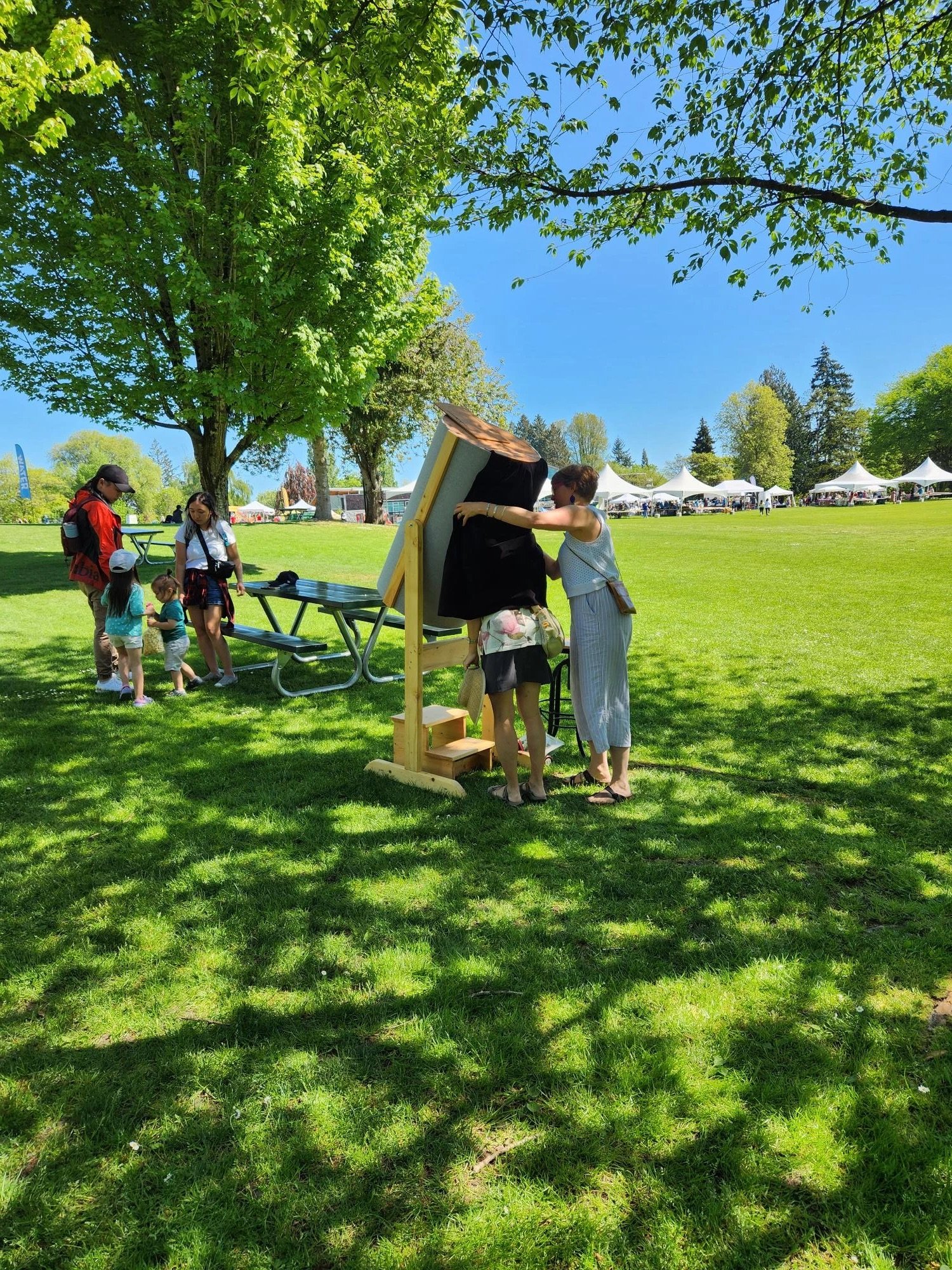
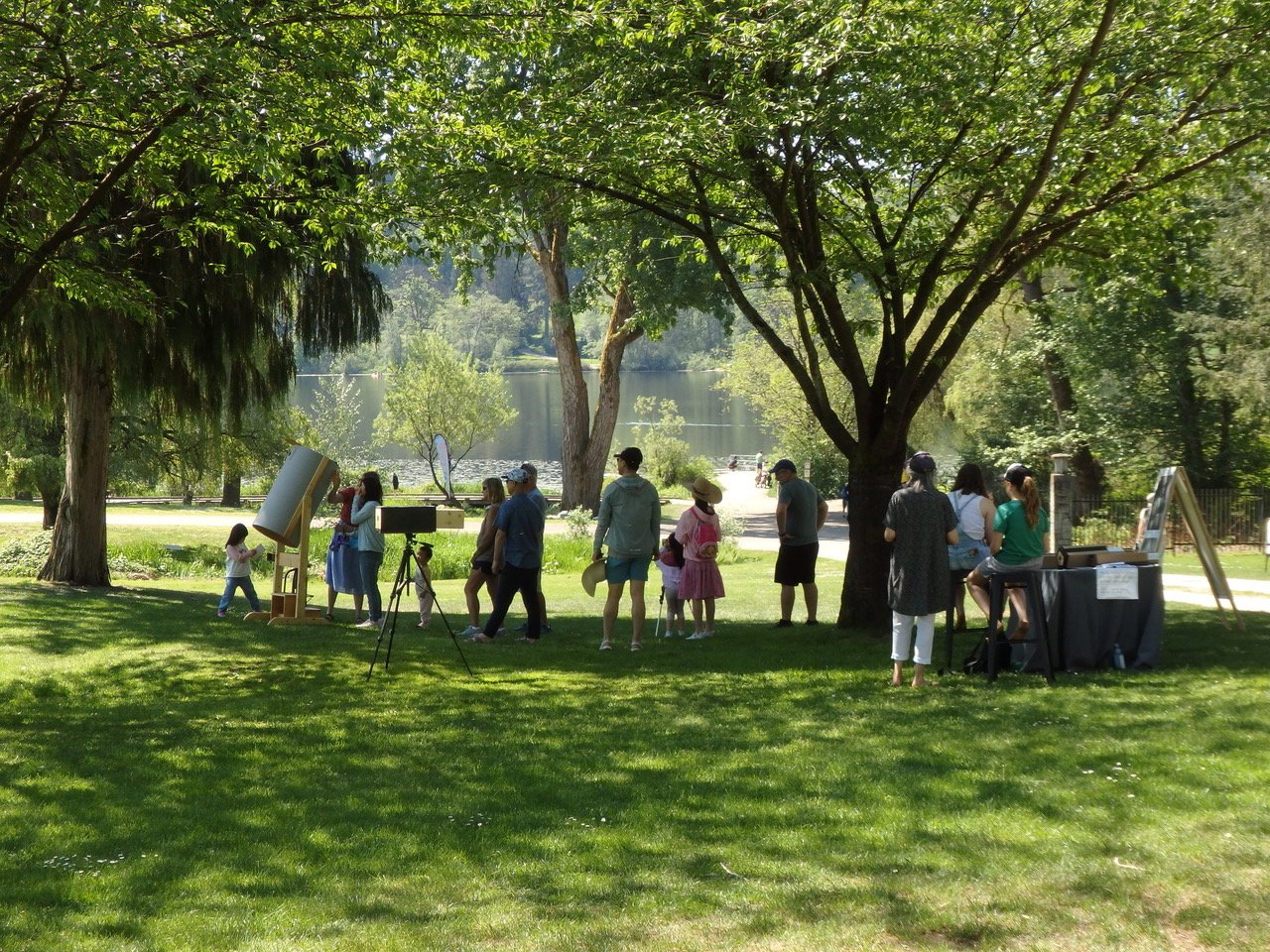
Looking into Camera Illumina, listening to Good Medicine Songs. Rivers Day event, Mission, BC 2025
Intimacy with the land
This project grew out of my exploration of what it means to live in a reciprocal relationship with the land. I first encountered this notion in the book Braiding Sweetgrass: Indigenous Wisdom, Scientific Knowledge, and the Teachings of Plants by the Potowatami botanist Robin Wall Kimmerer. She describes a way of being that is “rooted in intimacy with a local landscape where the land itself is the teacher”. Reading BSG made me rethink my relationship to my home, the ancestral land of the Stó:lō people. As a settler artist I am trying to create a deeper relationship to where I live and unlearn my colonial view of ‘nature’ as separate from me

A tool for attention
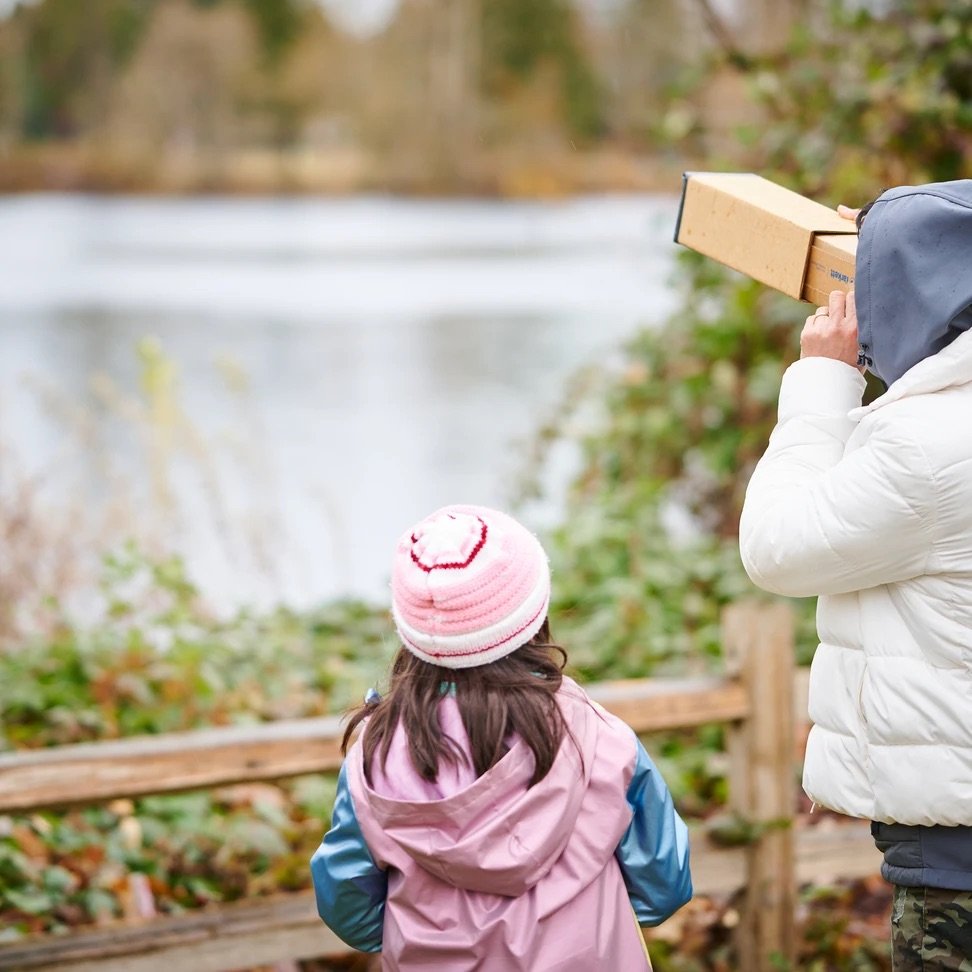
The act of paying attention emerged as a starting point for how to be in a reciprocal relationship with the land. A more specific idea arrived one beautiful fall day when the memory of looking through a camera obscura popped into my head. I took this memory as a prompting, and decided to see where it would lead me. That very afternoon I built my first camera obscura out of cardboard, duct tape and a magnifying lens. I took the camera outside to look at my garden and the view inside the camera took my breath away.
The ancestor of all our cameras
The technology of the camera obscura (meaning dark chamber) dates back to 4th century China. The basic structure of this type of camera is a dark room with a little hole in the wall; the light rays from the outside enter through the tiny hole and project the view upside down onto an interior wall. Adding a lens over top of the hole sharpens the image and using a mirror projects the image down onto a table as the illustration shows. This ancient concept was further developed over many centuries and was used by painters, mathematicians and scientists. I am grateful for the sharing of this knowledge, a creative inheritance that we can all participate in.
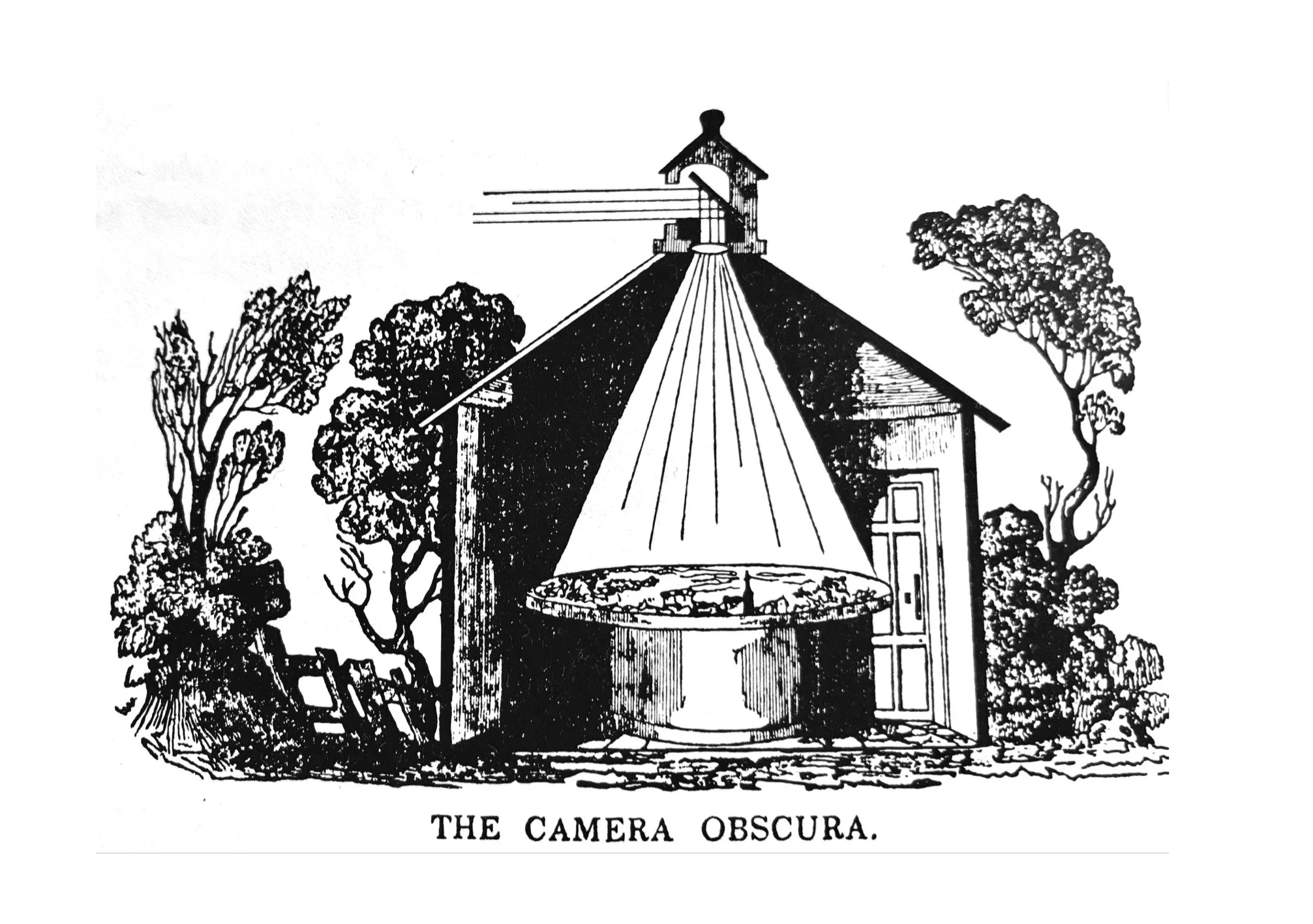
1800’s Century engraving form the first issues of the Magazine of Science, April 6, 1839. The Camera Obscura: A Chronicle John H. Hammond

Slowing down and noticing
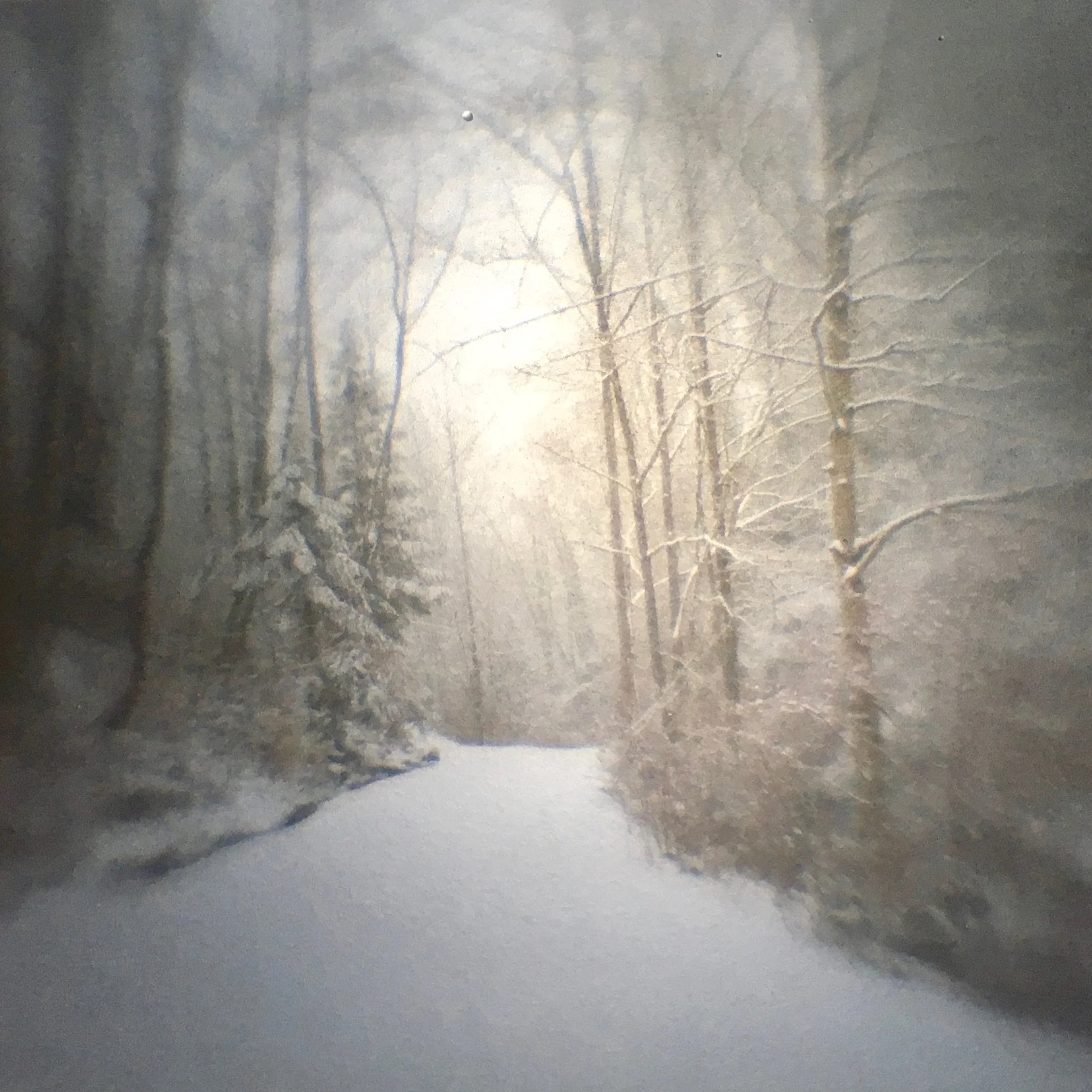
Time spent looking through the Camera Illumina has served to focus my attention and slow me down. In moments of stillness while looking in the camera, I would always notice the gentle movement of the trees in the image. It dawned on me that the land was constantly moving; I just wasn’t paying attention. It is this understanding of the land as alive that led me to call this a Camera Illumina.
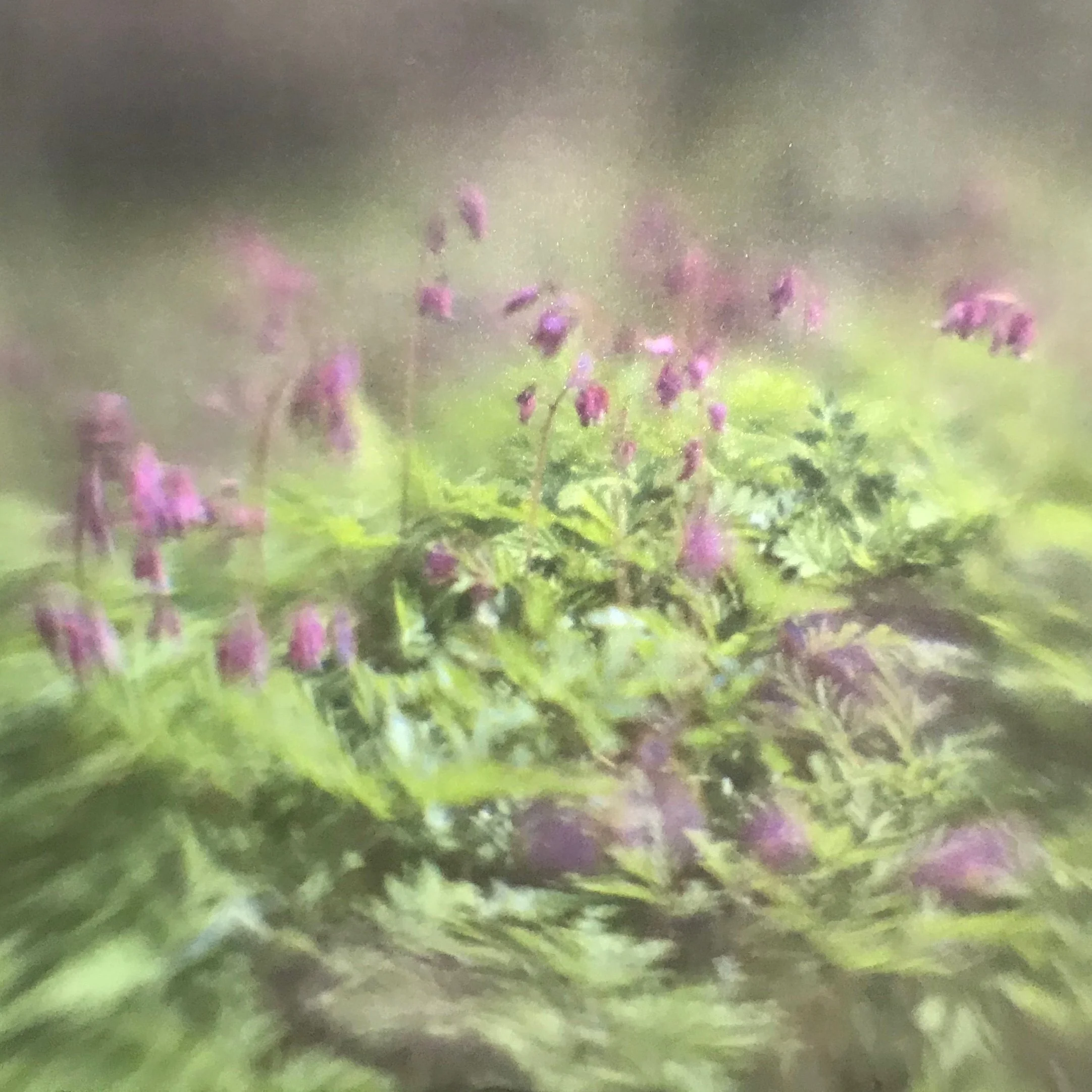
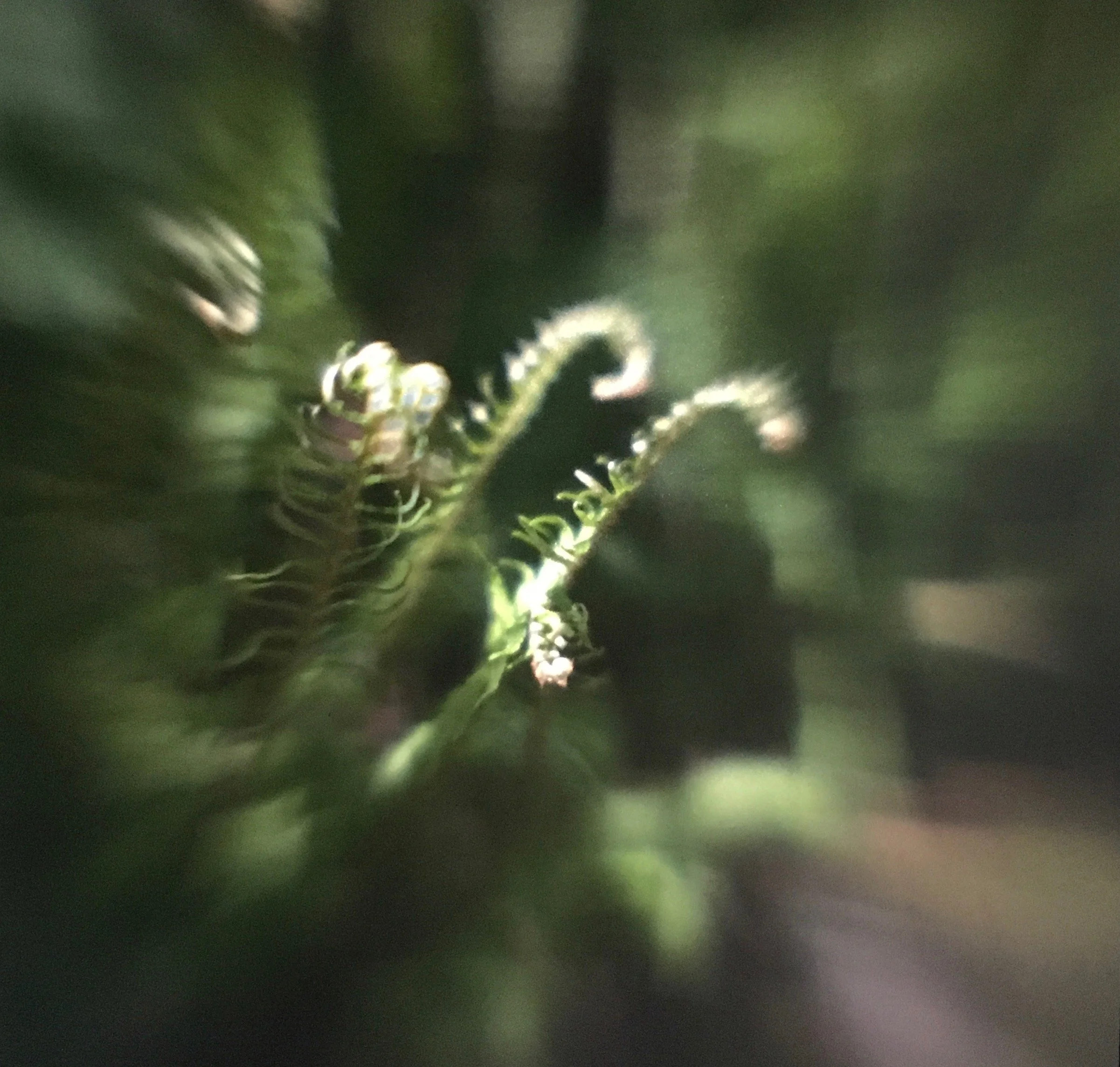
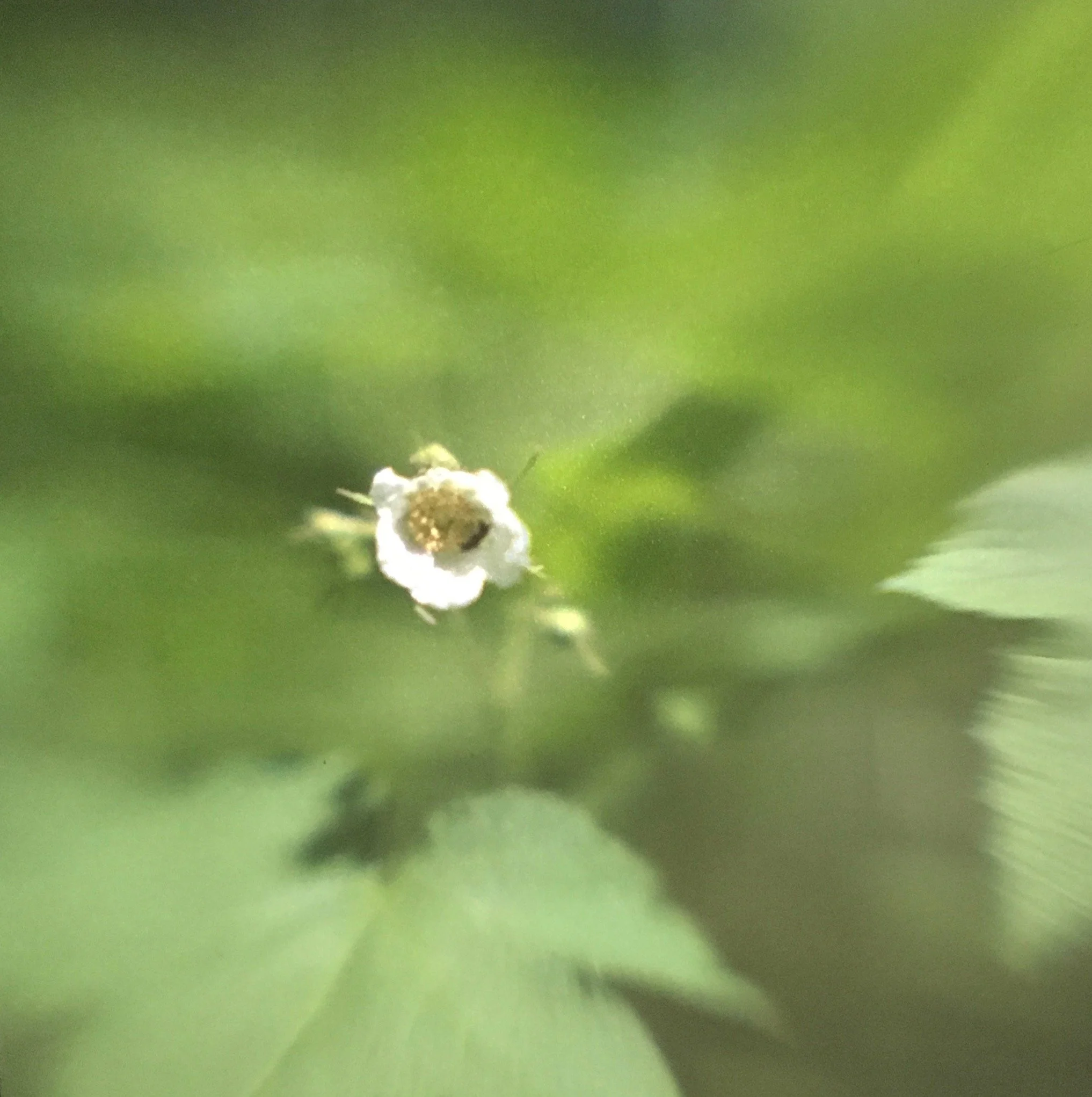
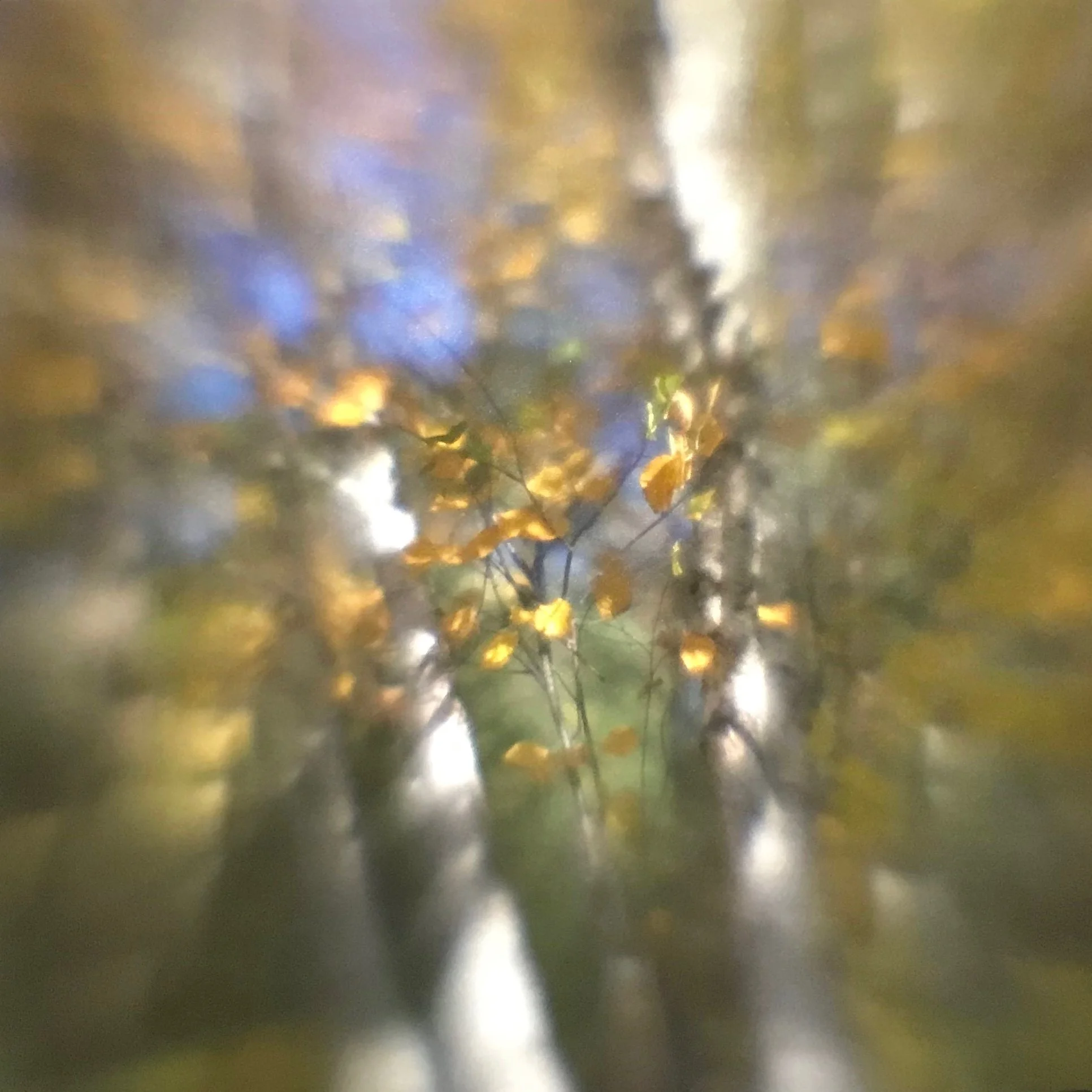
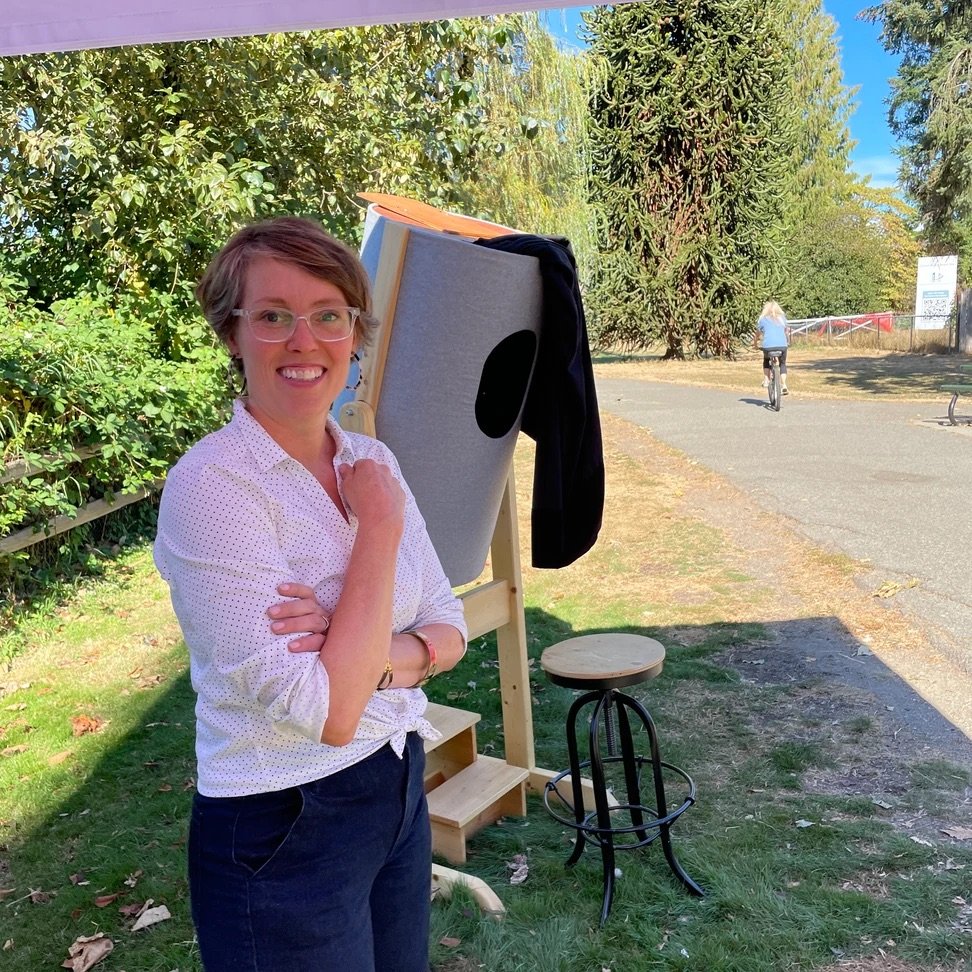
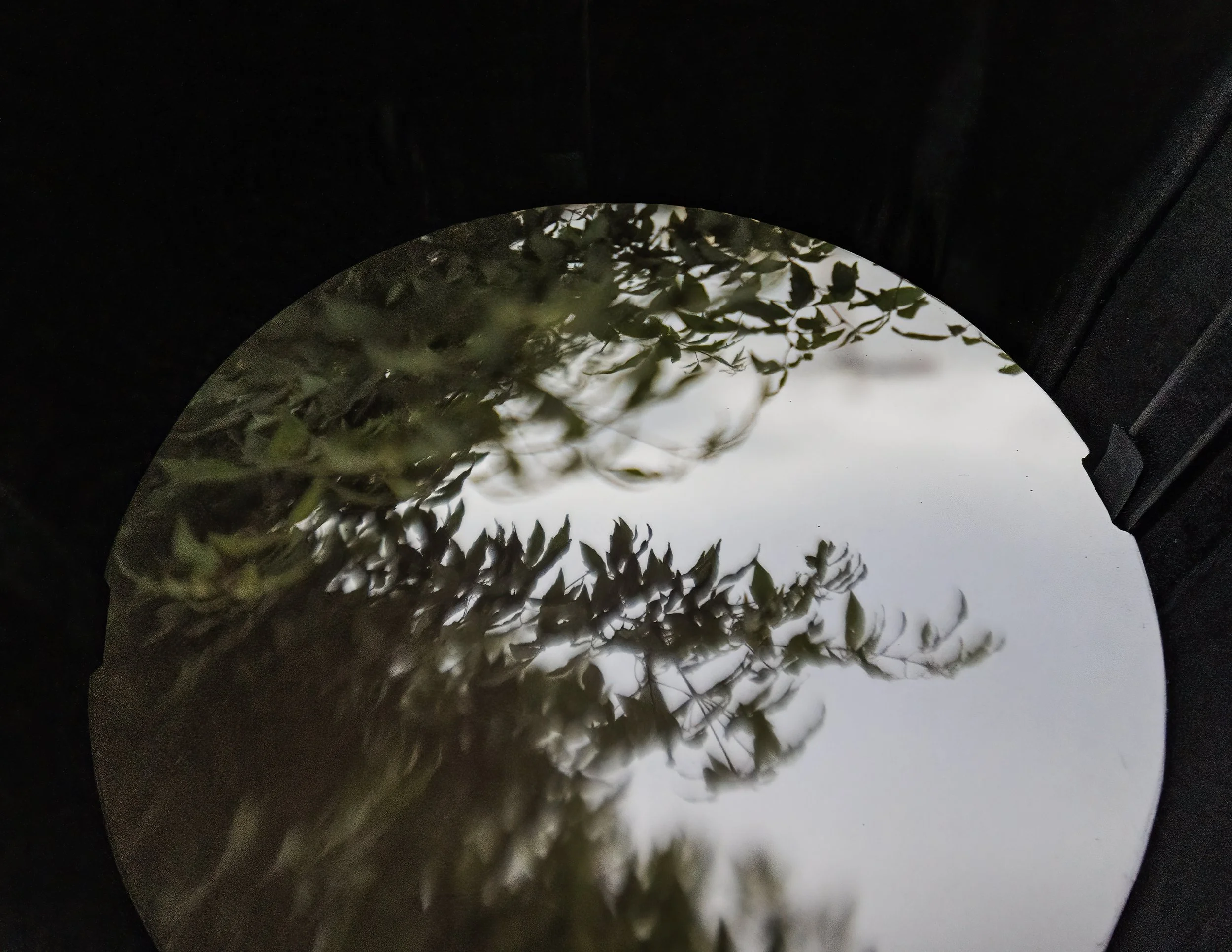
These videos and images were made by putting a regular digital camera inside the Camera Illumina to capture the projection. They are reminders of the experience of slowing down and noticing.

Stó:lō Téméxw
Stó:lō people call the Fraser Valley S’olh Téméxw (Solth Tumuk, pronunciation), meaning Our World/Our Land. They have a long ancestral relationship with this place and have looked after the water, trees, plants and animals since time immemorial. I live in Mission, BC Canada which is on the unceeded territory of the Leq'á:mel, Semá:th, Máthxwi, Sq'éwlets and Qwó:ltl’el First Nations. Mission is named for the Roman Catholic Mission residential school that was in operation for 117 years closing its doors in 1984. Read my full land acknowledgement here.
Interested in learning who has loved and cared for the land where you live since time immemorial? Visit Native Land.
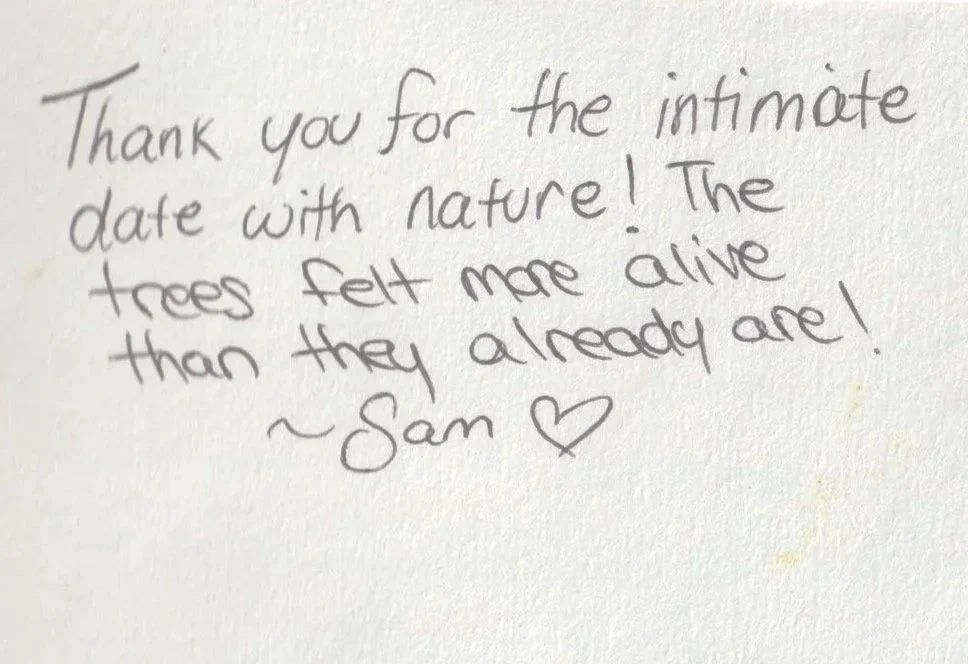
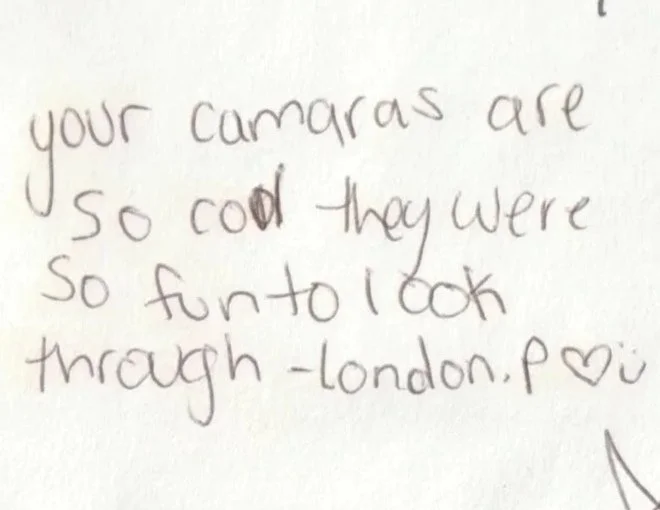
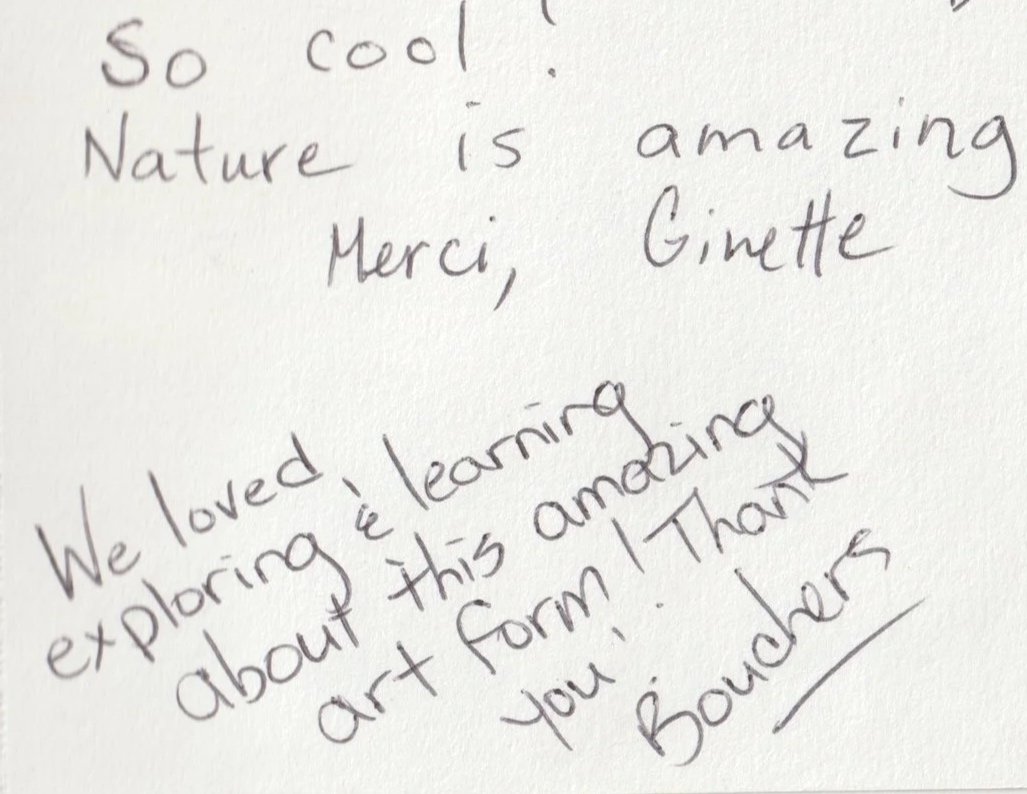
What people are saying . . .